Blog
Every $1 of fraud now costs US merchants $5.13—and that’s not the expensive part
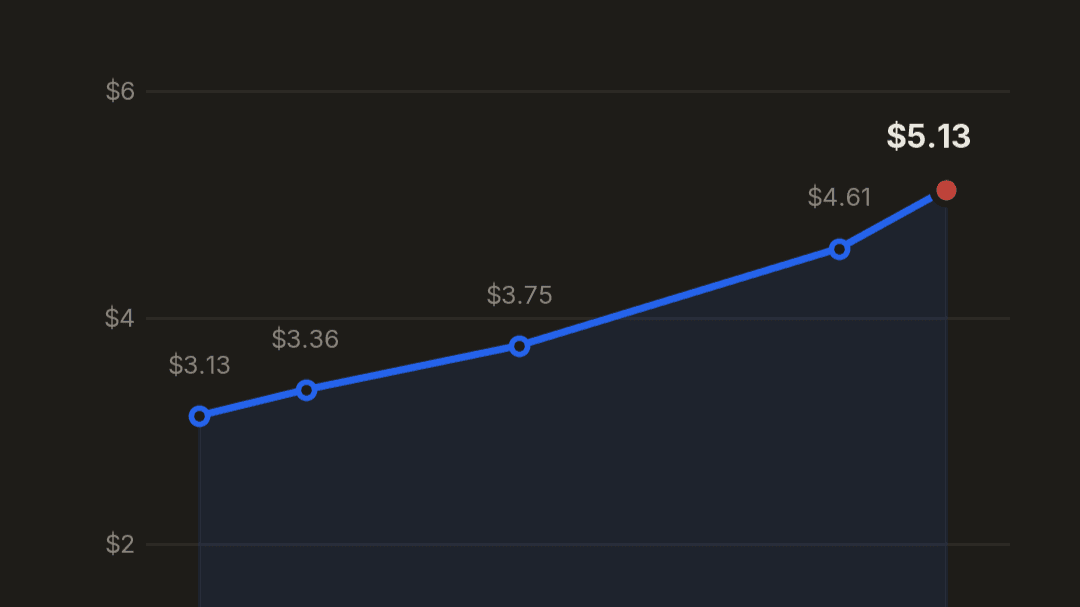
First, shoutout to Stripe—amazing documentation and trainings as always. However, the fraud module cites a number I’ve seen quoted everywhere: every $1 lost to fraud costs a business $3.75, per the 2022 LexisNexis study.
The 2026 edition came out in June. It’s $5.13 in the US: the first time the multiplier has crossed $5 in both the US and Canada, up more than 30% from 2022.
Fraud is costly not because of stolen goods, but because of fees, operations time, replacement, and two costs almost nobody budgets for.
1. Dispute fees—and there are two of them now
Stripe charges a dispute received fee the moment a chargeback is filed: $15 in the US. Flat, not a percentage, no minimum. A $4 dispute and a $4,000 dispute cost the same.
Since June 2025 there’s a second one. Respond to the dispute and you’re charged a dispute countered fee. That’s another $15. You get that one back if you win, at statistically low rates, but you don’t ever see the dispute countered fee again.
So applying this on a concrete $29/month plan: contest it and lose, you’re out $59. Accept it immediately, $44. So yes, this stuff matters.
If you bill recurring, that’s the floor rather than the typical case. Stripe documents that when a cardholder disputes several payments in a subscription, the bank sometimes files one dispute for the combined total against a single charge. Their example is three $50 charges arriving as one $150 dispute. Okay, so $15 × 2 to dispute it might make sense here, right? Well…
A six-month subscriber who disputes isn’t a $29 problem. It’s a $174 problem.
Winning protects your revenue, not your ratio. Stripe’s docs are explicit that all disputes count toward your dispute rate whether you win or lose.
2. Authorization rates
Higher fraud rates mean issuers decline more of your traffic, including good customers. The 2026 study found 56% of US retailers reported increased churn tied to their own anti-fraud measures. More than half of US retailers are admittedly putting their hand up and acknowledging their churn is getting worse—and they know it’s due to their fraud measures.
The reframe: among organizations with mature fraud programs, 20% reported churn going down because of fraud prevention. Among immature ones, 9%.
Fraud loss and failed payments are the same problem wearing different clothes
Both are revenue you already earned leaving through a gap in the plumbing that nobody owns: a system where the domain expert left months ago, and you haven’t realized yet that’s the reason for your elevated churn.
Follow along as we dig deeper into payment operations and how they currently affect you. You, yes you. This affects you—not some made-up big corporation.
Ready to put this to work?
Start with the processor configuration, fraud signals, and payment evidence already in place before deciding what to optimize.